Ever walk down a Central Denver block and feel like you are seeing several decades at once? That is not your imagination. In many central neighborhoods, bungalows, Denver Squares, revival-era homes, postwar designs, and newer infill can all share the same street. If you are buying, selling, or simply trying to better understand the character of the area, this guide will help you spot the most common architectural styles and what they often mean in day-to-day ownership. Let’s dive in.
Why Central Denver Looks So Layered
Central Denver is not a one-style housing market. Denver’s landmark district records show periods of significance that stretch from the late 1800s into the mid-20th century in areas such as Country Club, Alamo Placita, Park Avenue, and Wyman. That long building timeline helps explain why one block can include early 20th-century forms, postwar homes, and newer additions or infill.
The city’s preservation approach also shapes what you see today. Denver uses landmark districts, historic contexts, and the Discover Denver survey to identify and protect significant places. In historic districts and on landmark sites, exterior changes are reviewed to keep them compatible with the property’s historic character.
Craftsman Bungalows in Central Denver
How to spot a bungalow
Craftsman bungalows are usually one to one-and-a-half stories tall. They often have low-pitched roofs, broad overhanging eaves, exposed rafters or brackets, and deep front porches. In Denver, you may also notice masonry porches, brick porch piers, corbelled detail, and horizontal tripartite picture windows.
What a bungalow often feels like
Bungalows tend to read as intimate and porch-oriented. Their scale often supports a strong connection between the house and the street, which is one reason they feel so welcoming from the sidewalk. Many buyers are drawn to the warmth of original materials and the charm of handcrafted detail.
What to keep in mind
If a bungalow sits in a historic district or on a landmark site, exterior work may involve city review before changes move forward. Roofing, siding, garages, and demolition can require approvals depending on the property. That means a bungalow can offer a lot of visual character, but it may also require more planning around maintenance, repair choices, and project timing.
Denver Squares and Their Formal Presence
What makes a Denver Square
The Denver Square is Denver’s local name for the American Foursquare. History Colorado dates the style’s popularity in the Denver area to roughly 1895 through 1930. These homes are typically boxy, symmetrical, and topped by a hipped or pyramidal roof, often with a central entry and one-over-one windows.
Why buyers notice them
Denver Squares usually feel more vertical and structured than bungalows. Their facades often present a balanced, formal look from the street, and some include Craftsman details such as brackets, porch elements, or corbelled masonry. If you like classic proportions and a strong street presence, this style often stands out.
What they can mean for ownership
Because many Denver Squares are older homes, upkeep can require thoughtful decision-making. Original masonry, porch features, and exterior details may affect both budget and planning. In protected areas, changes to exterior materials or design may need to align with historic review standards.
Mid-Century Homes and Postwar Simplicity
Key mid-century features
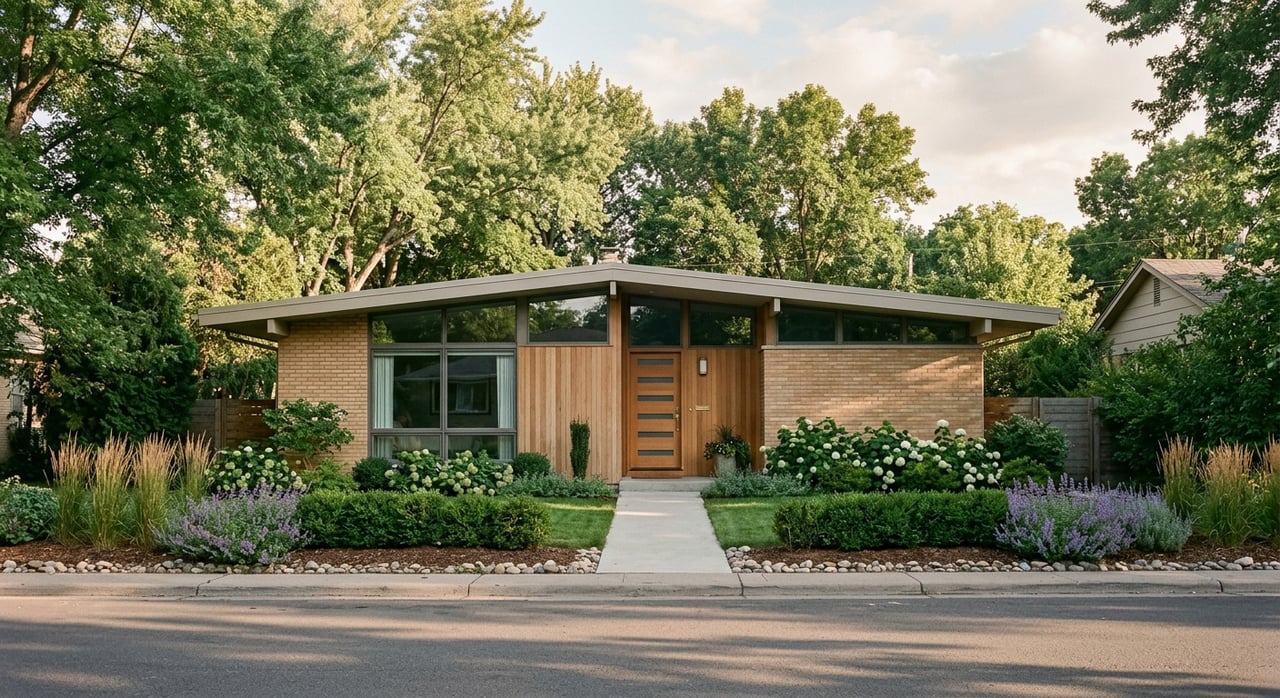
Mid-century homes in Denver are generally post-World War II. They often favor simpler massing, clear structure, larger expanses of glass, and open interior plans. Compared with earlier styles, they can feel more streamlined and less ornamental.
Why the style still appeals
Many people are drawn to mid-century homes because they often support flexible, open living. The connection between indoor and outdoor space can feel stronger, and the simpler forms often create a clean visual rhythm. In Central Denver, this style adds another layer to the city’s architectural mix.
How to think about updates
A mid-century house may offer a different ownership experience than an early 1900s home. While every property is unique, the style often points to a more open layout and a different set of renovation priorities than a bungalow or Denver Square. As with any older home, context matters, especially if the property is in an area with design review considerations.
Contemporary Infill in Central Denver
What infill looks like here
Contemporary infill is easiest to understand in places like Cherry Creek North and Cherry Creek West. In these areas, newer construction is shaped by design standards and review rather than by one historic house type. The city’s goal is not to freeze the area in time, but to guide development so it reinforces existing scale, pedestrian character, and an eclectic urban feel.
Why newer homes can still feel context-aware
Good infill does not have to copy a historic house to fit its surroundings. In Central Denver, the city encourages low-scale, small-lot development and exterior design that responds to neighborhood character. That is why some newer homes feel polished and intentional rather than out of place.
What owners may appreciate
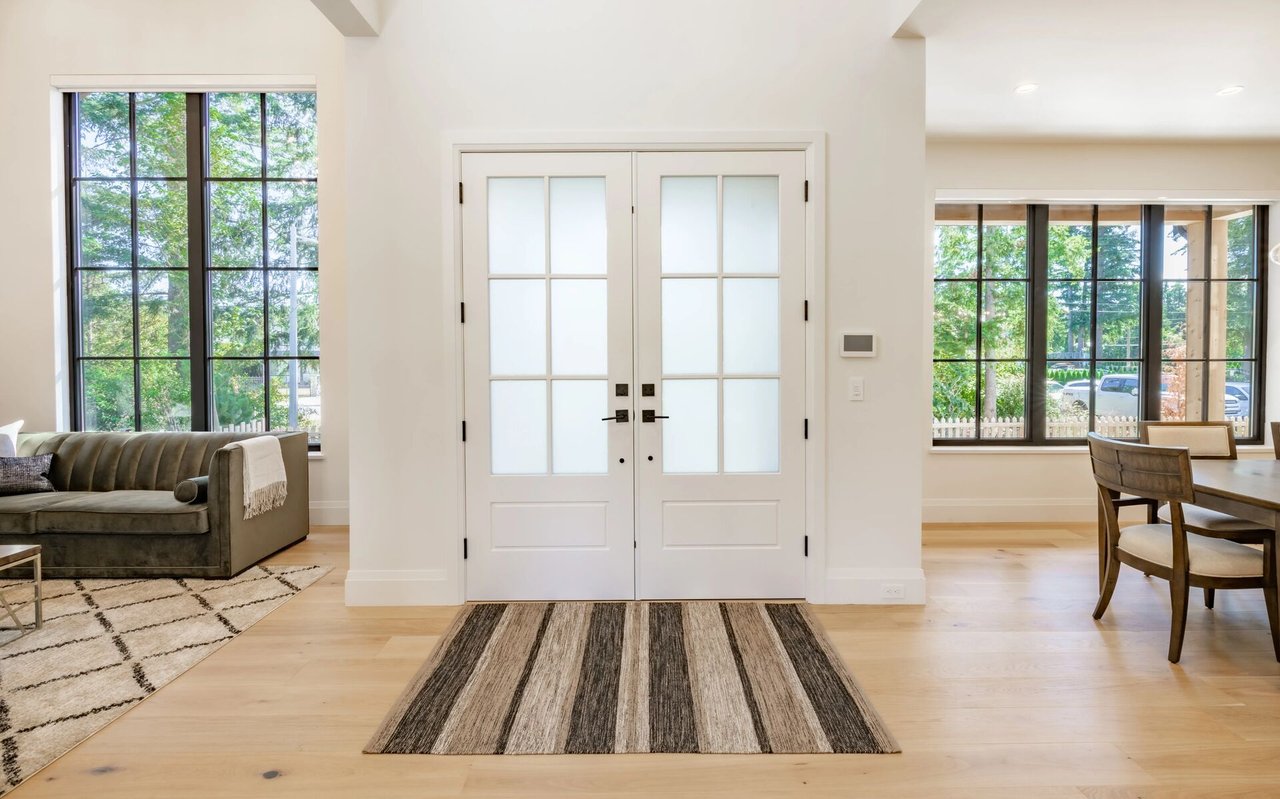
Contemporary infill often comes with newer systems and fewer original materials to maintain. For some buyers, that can mean a simpler maintenance picture than a century-old home. Still, in sensitive areas or where design review applies, exterior changes and additions may continue to follow local standards.
Neighborhoods That Help You Read the Styles
Country Club Architecture
Country Club is a strong place to understand architect-driven early 20th-century design. Its historic district period of significance runs from 1902 to 1945, and landmark records document large homes from the 1930s, including Tudor Revival examples. When you walk or drive through, look for formal street presence, larger scale, and detailed revival-era design.
Congress Park Housing Mix
Congress Park is useful if you want to see how older homes, additions, and occasional infill can share the same blocks. The East Central Area Plan identifies parts of this area for preserving traditional neighborhood character while encouraging context-sensitive additions rather than demolition. It is a practical example of how change and continuity can exist together.
Cherry Creek Design Character
Cherry Creek North and Cherry Creek West show how contemporary infill can be guided with intention. The city uses separate urban design standards and a design advisory board for these areas. For buyers and sellers, that helps explain why new construction often feels aligned with the neighborhood’s scale and pedestrian experience.
Washington Park Home Styles
Washington Park reflects a mix of established residential fabric, park-centered identity, and redevelopment pressure. The historic park landscape and the 1913 boathouse help anchor the area’s sense of place, while neighborhood planning continues to guide development decisions nearby. As a result, the housing mix can feel both rooted and evolving.
What Architectural Style Means for Daily Life
Style is not just about curb appeal. In Central Denver, house type often shapes how you live in the space, how much maintenance you may face, and how you plan future updates. A bungalow may offer cozy scale and porch living, while a Denver Square may feel more formal and vertically organized.
Mid-century homes often support open, flexible interiors. Contemporary infill may appeal to buyers who want newer systems and less original material to maintain. For sellers, understanding these differences can also help position a home more clearly in the market.
Why This Matters When You Buy or Sell
If you are buying, architectural style can help you compare homes beyond price and square footage. It may influence how the home functions, what future work might involve, and how the property fits your priorities. In Central Denver, that context matters because style, era, and neighborhood planning often intersect.
If you are selling, style literacy can strengthen how your home is presented. A well-marketed bungalow, Denver Square, mid-century home, or thoughtfully designed infill property benefits from precise language and a clear understanding of what buyers notice. That is especially true in Central Denver, where architecture often plays a major role in value perception.
When you want help reading the details of a home or positioning one for sale, working with a team that understands both architecture and neighborhood context can make the process far more clear. The Nichols & Lee Team brings deep Central Denver knowledge, historic-home fluency, and thoughtful guidance to every step.
FAQs
What are the most common architectural styles in Central Denver?
- In many central neighborhoods, you will commonly see Craftsman bungalows, Denver Squares, revival-era homes, postwar mid-century houses, and newer contemporary infill.
What defines a Central Denver bungalow?
- A Central Denver bungalow is usually one to one-and-a-half stories with a low-pitched roof, broad eaves, porch-oriented design, and details such as exposed rafters, brick porch piers, or tripartite windows.
What is a Denver Square in Denver real estate?
- A Denver Square is the local name for the American Foursquare, a boxy and symmetrical home style popular in the Denver area from about 1895 to 1930, often with a hipped roof and central entry.
Where can you see contemporary infill in Central Denver?
- Cherry Creek North and Cherry Creek West are two of the clearest Central Denver examples of contemporary infill shaped by local design standards and review.
How do historic district rules affect Central Denver homes?
- In Denver historic districts or on landmark properties, exterior changes that require certain permits are reviewed by Landmark Preservation, which can affect project design, approvals, timing, and budgeting.
Which Central Denver neighborhoods best show architectural variety?
- Country Club, Congress Park, Cherry Creek, and Washington Park each help illustrate how different eras and housing styles appear across Central Denver.