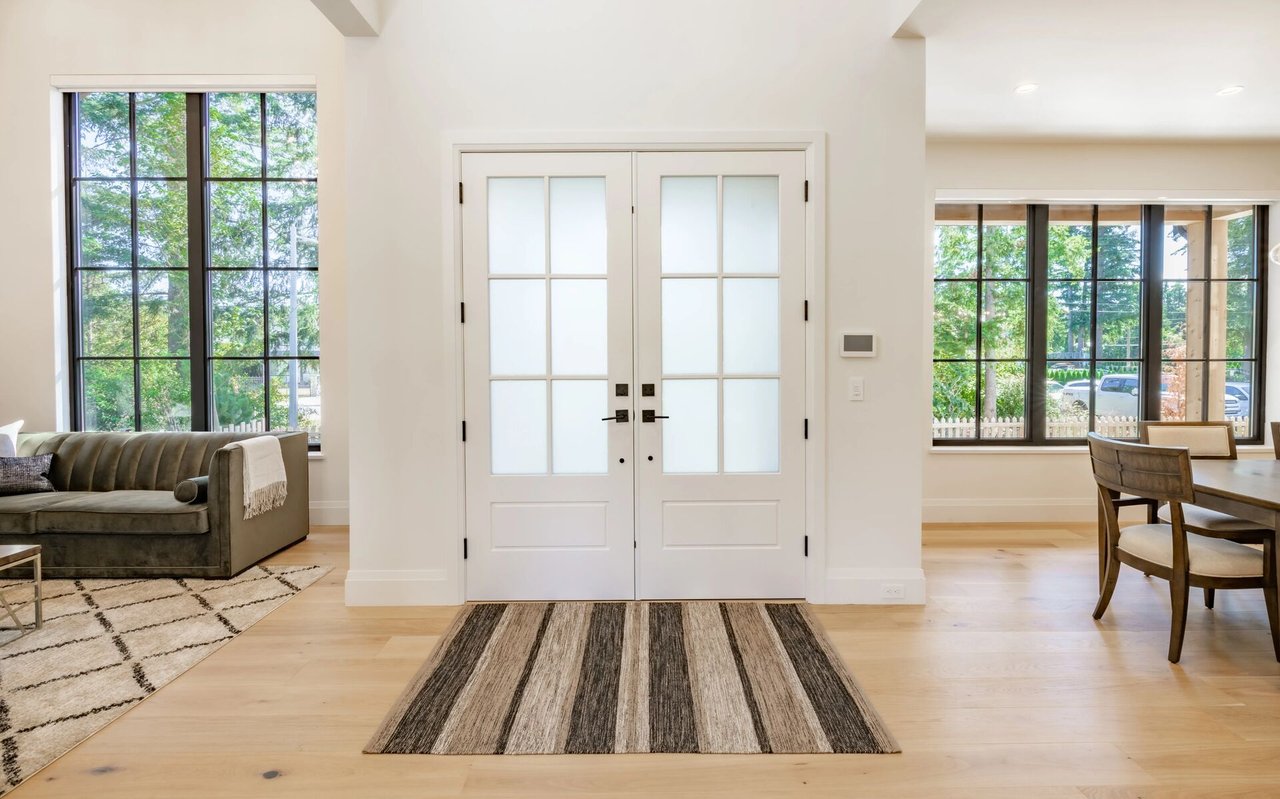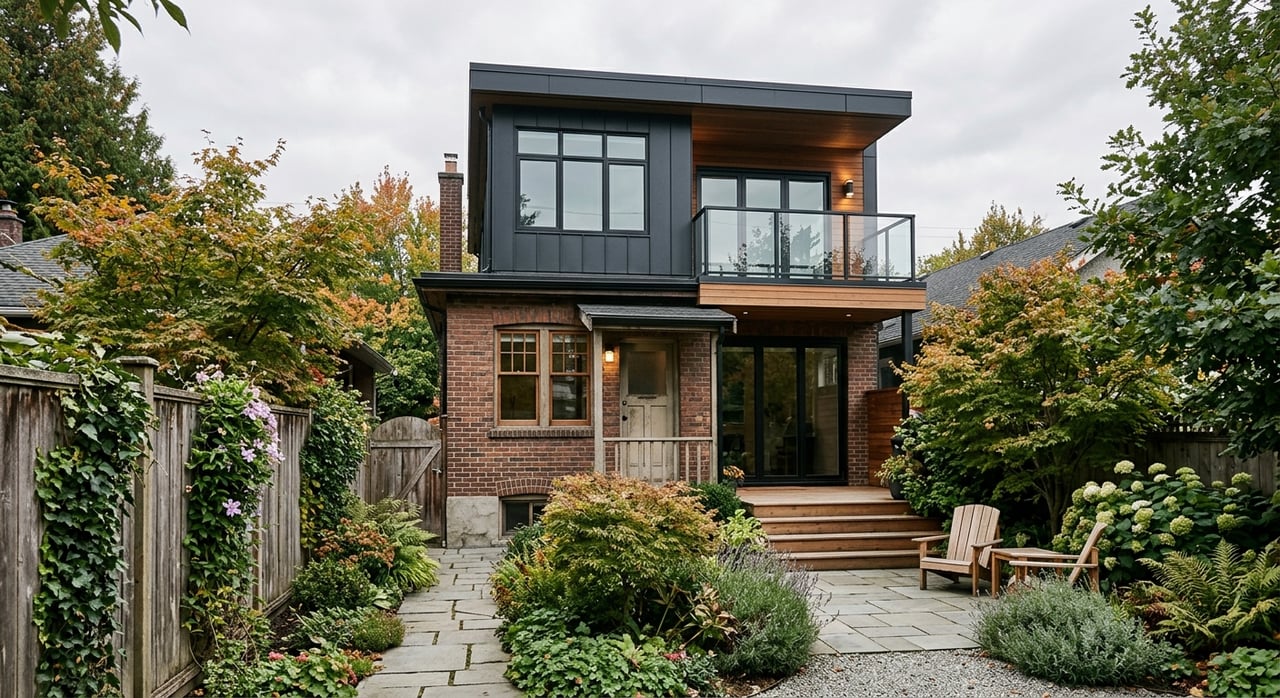
If you are house hunting in Washington Park, you may realize quickly that this is not a neighborhood of one-size-fits-all homes. On one block, you might find a compact early-20th-century bungalow, a pop-top addition, and a newer infill home side by side. That can make the choice feel exciting, but also a little more complex. This guide will help you compare bungalows and new builds in Washington Park, understand the trade-offs behind each option, and know what to look for before you make a move. Let’s dive in.
Why Washington Park Creates This Choice
Washington Park is one of Denver’s older close-in park neighborhoods. The park was laid out in 1889, and residential construction around it was underway by 1911. That history helps explain why buyers here often compare original older homes, later additions, and newer construction instead of a more uniform housing stock.
In Washington Park, the lot and the house are often part of two separate value conversations. You may love the mature trees, block pattern, and established streetscape even if the existing home is small, dated, or changed by later remodeling. In older areas like this, how a home fits the block can matter just as much as the square footage inside.
What a Classic Bungalow Offers
Character and original details
A classic Denver bungalow is usually one to one-and-one-half stories with Craftsman-style influence, a gently pitched roof, and an open porch. Many older residential blocks were planned around smaller homes and detached garages, which gives these properties a scale and rhythm that still appeal to buyers today.
If you are drawn to charm, a bungalow often delivers the strongest original character. You may find appealing proportions, period details, and a street presence that feels closely tied to Washington Park’s early history. For many buyers, that architectural authenticity is the main reason to choose one.
Smaller footprint and layout limits
The trade-off is usually space. A bungalow often has a smaller footprint, which can make it harder to find large kitchens, expansive primary suites, or multiple upstairs bedrooms unless the home has been altered.
That does not mean a bungalow cannot work beautifully. It simply means you should focus on whether the current layout matches how you actually live, not just how the home feels at first glance. A charming house that requires major reworking to meet your needs may not be the right fit.
Inspection items that matter most
Because of their age, older homes usually come with more variation in systems and more renovation risk. In Washington Park, a bungalow inspection should pay close attention to:
- Roof condition
- Structure
- Plumbing
- Heating and cooling
- Electrical systems
- Insulation
- Drainage away from the house
- Windows and doors
- Siding
- Potential radon concerns
- Potential lead-related concerns
If the home was built before 1978, federal lead disclosure rules apply. In older attic spaces, wet or moldy insulation, poor ventilation, and older wiring types such as knob-and-tube deserve closer professional review.
Where Pop-Tops Fit In
A middle-ground option
Some Washington Park buyers want original character but need more usable space. That is where a pop-top can come in. A pop-top is a second-story addition on an existing home, and it often serves as a middle-ground choice between a small bungalow and a fully new build.
A well-planned pop-top can preserve much of the original street presence while adding bedrooms, bathrooms, or a larger primary suite upstairs. For buyers who want to stay in the neighborhood without giving up space, that can be a practical compromise.
Design and permit review matter
In Denver, adding a second story or increasing floor area or height is treated as an addition. Exterior alterations and additions in historic districts and on landmark properties can require review, and city guidelines emphasize that additions should respect the existing setback, open space, massing, roof form, porches, and materials.
That means the key question is not just whether the remodel looks updated. You also want to know whether the addition was thoughtfully designed and properly permitted. In a neighborhood like Washington Park, the old-and-new relationship matters.
Questions to ask about a pop-top
When you tour a pop-top or heavily remodeled home, ask:
- What parts of the house are original?
- What was added later?
- What systems were replaced?
- Were permits pulled for the work?
- Were final inspections completed?
- Is any work still under warranty?
Those answers can tell you more than a simple square-footage number ever could.
What a New Build Changes
Modern layout and lower immediate upkeep
A newer home often gives you the most modern floor plan and the least immediate renovation burden. If you want open living areas, newer systems, and a layout designed around current preferences, a new build may feel easier from day one.
This can be especially appealing if you do not want to take on major updates right after closing. Instead of planning around deferred maintenance or phased renovations, you may be able to settle in and focus on daily life.
Compatibility still matters in Washington Park
Even newer construction is not just about what happens inside the home. Denver’s design guidance for new buildings in historic settings emphasizes compatibility with the surrounding context while still expressing the building’s true age.
The city highlights several factors that shape that compatibility:
- Setback patterns
- Open-space patterns
- Mass and form
- Entries and porches
- Roof form
- Materials
In practical terms, a strong new build in Washington Park should feel like it belongs on the block without pretending to be older than it is.
Verify the paper trail
Even with newer construction, due diligence still matters. Denver reviews, permits, and inspects building projects to confirm they meet code, so buyers should verify permit sign-off and final inspections before closing.
For many buyers, a new build feels simpler. Still, simpler does not mean automatic. It is worth confirming that the construction record is complete and that you understand what has been approved and finished.
How to Compare Bungalows and New Builds
Think beyond square footage
In Washington Park, the better question is often not “Which house is bigger?” but “Which home fits my priorities best?” A smaller bungalow on a beautiful block may offer a very different kind of value than a larger new home with a more contemporary layout.
Start by deciding what matters most to you. That might be original character, lower near-term maintenance, room to grow, future renovation potential, or how the home sits on the lot.
Use this side-by-side lens
| Feature | Bungalow | New Build |
|---|---|---|
| Style | Strong original character | Contemporary construction and layout |
| Space | Often smaller footprint | Usually more interior space |
| Maintenance | More variable systems and repair risk | Less immediate renovation burden |
| Layout | May require compromise or remodeling | Often designed for current preferences |
| Due diligence focus | Age, systems, lead, radon, structure | Permits, inspections, completion details |
| Neighborhood fit | Often deeply tied to original block pattern | Should be checked for site and design compatibility |
This is why many Washington Park buyers need a more layered evaluation. The right answer depends on how you weigh charm, convenience, flexibility, and long-term plans.
Lot Fit Matters More Than Many Buyers Expect
Washington Park’s early development means you are usually buying on an established urban lot, not in a blank-slate subdivision. In this setting, one of the most important questions is whether the lot supports the home you want now and any future changes you may want later.
That includes paying attention to setbacks, open-space patterns, garage placement, and the overall fit of the structure on the site. In some situations, new garages in historic districts or on designated landmarks require a certificate of appropriateness, and some partial demolition work for additions or remodels may be handled through construction permits.
Before you rely fully on a listing, verify the survey and legal description. A survey shows property boundaries and the location of the house and other improvements, which is especially helpful in neighborhoods where homes may have changed several times over the decades.
A Smart Washington Park Due Diligence Checklist
Whether you prefer a bungalow, a pop-top, or a newer home, a careful review can help you avoid surprises. In this neighborhood, details matter because age, additions, and lot patterns often overlap.
Here is a practical checklist to keep in mind:
- Review the home’s permit history
- Confirm final inspections where applicable
- Ask what is original, added, and replaced
- Check whether any components remain under warranty
- Review the survey and legal description
- Evaluate roof, structure, plumbing, HVAC, and electrical systems
- Ask about radon and other health or safety concerns
- Consider whether additional testing is needed for mold, air or water quality, asbestos, lead paint, insulation concerns, or pests
- Look closely at drainage and attic conditions in older homes
In Washington Park, this kind of diligence is not overkill. It is part of buying with confidence.
Which Option Is Right for You?
If you love architectural character and can accept some compromise on space or future maintenance, a classic bungalow may be the clear favorite. If you want more square footage but still appreciate a connection to the original home, a pop-top may offer the balance you need. If your priority is a modern layout with less immediate project work, a newer build may be the better fit.
The key is to match the property type to your lifestyle, budget, and tolerance for renovation or unknowns. In a neighborhood as layered as Washington Park, the smartest choice is usually the one that aligns with both the house itself and the story of the lot it sits on.
When you want help comparing original homes, remodeled properties, and newer construction in Washington Park, the Nichols & Lee Team brings deep Denver neighborhood knowledge, historic-home perspective, and thoughtful guidance to every step.
FAQs
What should buyers compare when choosing between a bungalow and a new build in Washington Park?
- You should compare layout, maintenance expectations, permit history, inspection risk, lot fit, and how well each home matches your daily needs and long-term plans.
What inspection issues matter most for older Washington Park bungalows?
- Buyers should pay close attention to roof condition, structure, plumbing, heating and cooling, electrical systems, insulation, drainage, and possible radon or lead-related concerns.
What should buyers ask about a Washington Park pop-top remodel?
- Ask what was original, what was added, what systems were replaced, whether permits were pulled, whether final inspections were completed, and whether any work is still under warranty.
What should buyers verify on a Washington Park new build?
- Buyers should verify permit sign-off, final inspections, and how the home fits the lot and surrounding block in terms of setback, massing, roof form, and materials.
Why does lot fit matter in Washington Park real estate decisions?
- Lot fit matters because Washington Park has established urban lots and long-standing block patterns, so setbacks, open space, garage placement, and future flexibility can affect how well a home works for you over time.