If you want your first Denver home to feel connected, walkable, and full of character, Congress Park should be on your radar. Buying in a central neighborhood can feel exciting and a little intimidating, especially when you are balancing budget, lifestyle, and long-term upkeep. This guide will help you understand what first-time buyers should know about Congress Park and the 7th Avenue Historic District, from housing style and pricing to walkability and historic-district rules. Let’s dive in.
Why first-time buyers look at Congress Park
Congress Park offers something many first-time buyers want but do not always find in one place: a central Denver location, older homes with real architectural character, and strong day-to-day convenience. The neighborhood also gives you access to established amenities without pushing you into the pricing seen in some nearby luxury districts.
Recent market data puts Congress Park’s median sale price at $861,000 in March 2026. Redfin also reported the East Seventh Avenue Historic District at $865,000 in February 2026, compared with $1.205 million in Cherry Creek and $2.59 million in Denver Country Club. For buyers looking at central Denver, that pricing helps explain why this area often stands out.
Where Congress Park begins to feel different
Congress Park is bounded by East Colfax Avenue, York Street, East 6th Avenue, and Colorado Boulevard according to the Discover Denver survey area. Inside those boundaries, the neighborhood is largely made up of single-unit residential blocks, while heavier commercial activity sits along Colfax and Colorado.
That block-to-block contrast matters when you are home shopping. Interior streets generally feel quieter and more consistently historic, while boundary corridors tend to feel busier and more mixed-use. If your daily routine includes walking to coffee, restaurants, or errands, that mix can be a plus, but you will want to compare locations carefully.
What homes look like here
Congress Park housing styles
Congress Park is older and varied. Nearly 80% of buildings in the survey area were constructed between 1900 and 1929, and 83% of those were originally built as single-unit homes.
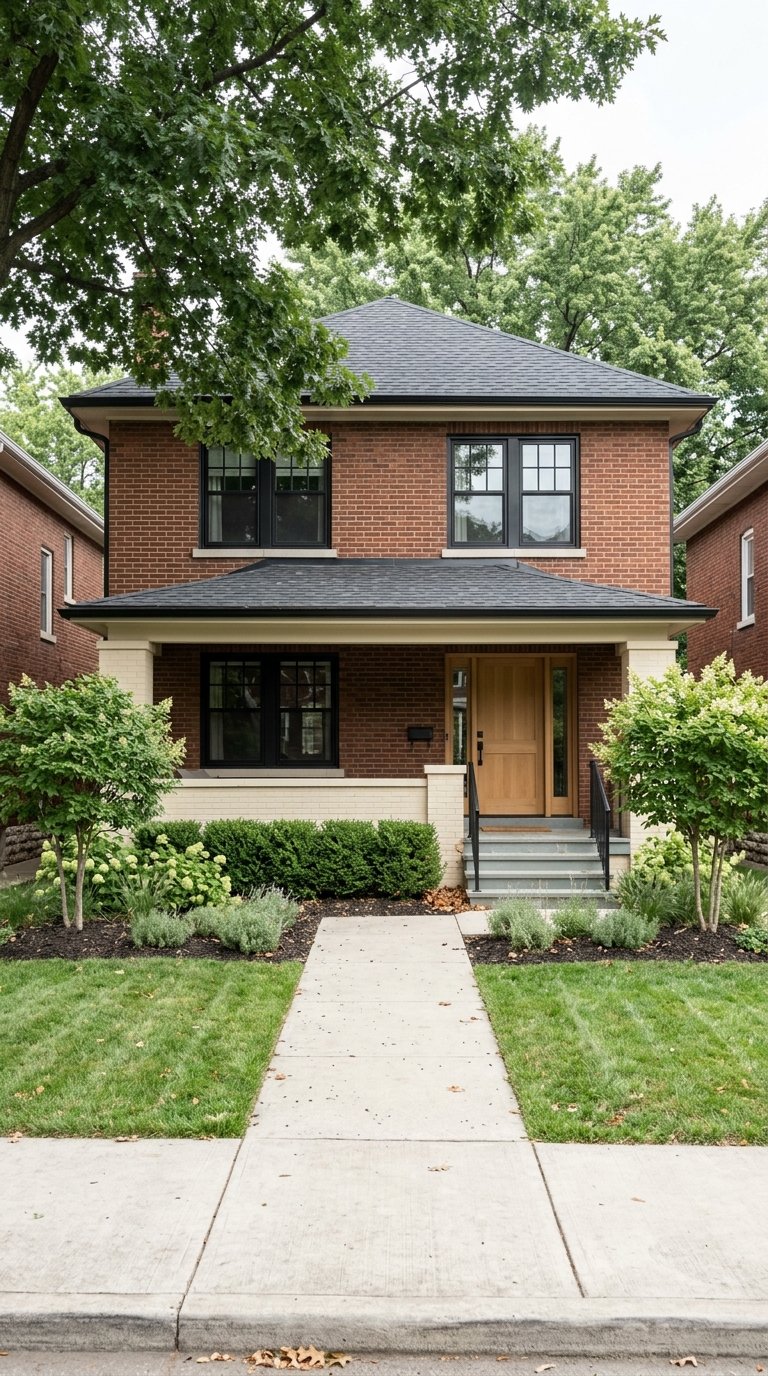
You will see a wide architectural mix, including Victorian cottages, bungalows, Foursquares, Tudor Revival homes, Mediterranean Revival homes, and some later multi-unit buildings near commercial edges. That variety gives you more options, but it also means one block can feel very different from the next.
7th Avenue Historic District character
The East Seventh Avenue Historic District is more unified in appearance. Denver lists it as a local landmark district, with the original district designated in 1993 and the Steele Street extension added in 2021.
The Steele Street extension includes 19 houses built between 1912 and 1924, including 17 bungalows, one Foursquare, and one Central Passage Double-Pile house. The designation materials also note 37.5-foot lots, a 4,500-square-foot minimum lot area, uniform setbacks, and Craftsman detailing, which all contribute to a more cohesive streetscape.
Why the historic setting matters
The East 7th Avenue Parkway developed in phases, with the western section built from 1912 to 1914 and the upper section added in 1927. Its identity is closely tied to Denver’s City Beautiful-era parkway planning, which helps explain the strong visual appeal buyers notice today.
Denver’s parkway design guidelines emphasize preserving the street, tree lawn, walks, curb and gutter, vegetation, and the open space created by building setbacks. For you as a buyer, that often means a more established residential feel and stronger protection for the overall streetscape.
Walkability and daily life
One of Congress Park’s biggest strengths is convenience. Walk Score rates the neighborhood at 83 for walkability, 49 for transit, and 89 for biking, and ranks it as the 10th most walkable neighborhood in Denver.
Walk Score also lists about 98 restaurants, bars, and coffee shops in the area. That kind of access can make a real difference in your day-to-day life, especially if you want the option to walk or bike for errands, meals, or weekend plans.
Nearby amenities that add value
Congress Park is also well placed within central Denver. The East Central Area Plan highlights nearby destinations such as City Park, Cheesman Park, Denver Botanic Gardens, the Zoo, the Museum of Nature and Science, and multiple theater and shopping corridors.
Denver Botanic Gardens’ York Street location sits at 1007 York Street in Congress Park and spans 24 acres. The Gardens also note street parking is available in Congress Park where posted, and the community garden program moved to Congress Park in 2010 and now has 89 plots.
Quiet blocks versus busy edges
The neighborhood’s convenience is shaped by its street pattern and history. The Congress Park survey notes commercial hubs along East 12th Avenue, a former streetcar route, while Colfax Avenue and Colorado Boulevard carry more intensive mixed-use activity.
For first-time buyers, this means location inside the neighborhood matters almost as much as the neighborhood itself. A home a few blocks deeper into the interior may offer a different feel than one close to Colfax or Colorado, even if both share the same neighborhood name.
What first-time buyers should budget for
Congress Park can be a strong fit if you value location, character, and access over brand-new finishes or a larger lot. At the same time, older housing stock usually requires more careful planning around maintenance and future updates.
Because much of the neighborhood was built more than a century ago, it is smart to budget more cautiously for repairs, systems, and renovation work than you might in a newer area. This does not make Congress Park a poor fit. It simply means your home search should include a realistic view of upkeep.
Historic-district rules to understand
If you are considering a home in the East Seventh Avenue Historic District, historic designation should be part of your decision. Denver says Landmark Preservation reviews exterior changes that require a building or zoning permit when a property is in a historic district.
The city’s design-review guidance also covers additions, new construction, signs, and non-vegetative site work. If you think you may want to expand, significantly alter the exterior, or make future visible changes, it is wise to factor permit review and design constraints into your plans early.
Congress Park versus nearby luxury districts
For many first-time buyers, the value conversation is important. Congress Park and East Seventh Avenue offer central Denver access, historic character, and strong walkability at a lower median sale price than nearby Cherry Creek and Denver Country Club based on the recent figures in the research.
That does not mean homes here are inexpensive, and it does not guarantee future appreciation. It does mean the area can be worth a closer look if you want a central location with a distinct identity and you are comparing tradeoffs across Denver neighborhoods.
How to decide if it fits you
Congress Park may be a good fit if you want:
- A central Denver location
- Strong walkability and biking access
- Older homes with architectural character
- Close access to parks, cultural amenities, and neighborhood retail
- More price flexibility than some nearby central luxury districts
You may want to look more carefully if your top priorities are:
- New-construction finishes
- Simpler renovation rules
- A larger lot
- Less maintenance risk from older housing stock
- A location farther from busier mixed-use corridors
A smart first-time buyer approach
If you are serious about Congress Park or the 7th Avenue Historic District, it helps to shop with a very specific lens. In this area, the right home is not just about square footage or price. It is also about block location, architectural condition, future plans, and how comfortable you are with the realities of an older home.
A thoughtful buying strategy often includes:
- Comparing interior streets with boundary corridors
- Looking closely at lot pattern, setbacks, and parking
- Asking how much exterior change you may want over time
- Budgeting for maintenance beyond the purchase price
- Weighing convenience, character, and permit complexity together
For first-time buyers, that kind of clarity can make the process feel much more manageable. It also helps you choose a home that fits not only your budget today, but your life a few years from now.
If you are exploring Congress Park or the 7th Avenue Historic District and want practical guidance grounded in Central Denver experience, the Nichols & Lee Team can help you evaluate the details that matter and move forward with confidence.
FAQs
How walkable is Congress Park for first-time Denver buyers?
- Congress Park has a Walk Score of 83, a bike score of 89, and a transit score of 49, and it is ranked as the 10th most walkable neighborhood in Denver.
What types of homes are common in Congress Park?
- Congress Park is known for older housing built mostly between 1900 and 1929, including bungalows, Victorian cottages, Foursquares, Tudor Revival homes, Mediterranean Revival homes, and some later multi-unit buildings.
What is different about the 7th Avenue Historic District in Denver?
- The East Seventh Avenue Historic District is more architecturally cohesive, with a strong parkway setting, uniform setbacks, and a concentration of early 20th-century homes, especially bungalows.
Do historic-district rules affect remodels in the 7th Avenue Historic District?
- Yes. Denver Landmark Preservation reviews exterior changes that require a building or zoning permit in a historic district, and review can also apply to additions, new construction, signs, and certain site work.
Is Congress Park more affordable than nearby central Denver neighborhoods?
- Recent median sale price data shows Congress Park and the East Seventh Avenue Historic District below Cherry Creek and well below Denver Country Club, which can make them appealing options for buyers comparing central Denver neighborhoods.