If you are curious what it actually feels like to live near one of Denver’s best-known green spaces, Washington Park offers an easy answer: the park shapes the day. From early runs and stroller walks to coffee stops, weekend markets, and seasonal community events, life here tends to move in a steady rhythm tied to the neighborhood itself. If you are considering a move, planning a sale, or simply getting to know the area better, this guide will help you picture daily life around Wash Park. Let’s dive in.
Why Washington Park Feels So Lived In
Washington Park is more than a landmark. It is the daily backdrop for the neighborhood around it. According to Denver and Visit Denver, the park is bordered by Virginia Avenue, Downing Street, Louisiana Avenue, and Franklin Street, and includes two lakes, gardens, tree-lined paths, and broad recreation space.
That variety matters because it supports real routines, not just occasional visits. You can picture morning jogs on the crushed-granite path, bike rides on the bicycle and pedestrian route, laps with a dog or stroller, and time outdoors that feels built into the week. The park also includes a fitness course, soccer field, tennis courts, horseshoe pit, lawn bowling and croquet area, and a recreation center with an indoor pool.
There is also a strong sense of history here. Denver notes that the Boathouse was completed in 1913 and renovated in 2012, and that Washington Park is listed on both the U.S. National Register of Historic Places and the Colorado State Register of Historic Properties. That historic setting gives the neighborhood an established feel without making it feel static.
Daily Routines Center on the Park
One of the clearest things about Wash Park is how naturally the park becomes part of everyday life. It is not unusual for outdoor time to anchor the day, whether that means a quick walk before work, a longer weekend loop, or meeting friends outside instead of indoors.
The park’s layout makes this easy. With open lawns, lakes, paths, and recreation amenities all in one place, you have options depending on your schedule and pace. Some neighborhoods feel residential first and recreational second. Around Wash Park, those two parts of life tend to blend.
Community events reinforce that pattern. The 2026 Furry Scurry, for example, is scheduled as a 2-mile dog walk and run at Washington Park with food trucks and a community market. That kind of event highlights something locals already know: the park is not just scenery, it is a gathering place.
South Gaylord and South Pearl Add Convenience
A big reason the neighborhood feels so balanced is that Wash Park is not only about the park itself. Nearby commercial streets, especially South Gaylord and South Pearl, add the kind of daily convenience that makes an area feel easy to live in.
Visit Denver describes Historic South Gaylord as one of the city’s oldest shopping and dining districts, with many shops and restaurants converted from late-19th-century houses. South Pearl Street has its own long history and now serves as another spot for shopping, dining, and relaxing. Together, these streets help the neighborhood feel active and connected.
Washington Park East’s neighborhood history also shows that South Gaylord developed with practical daily uses in mind. In the 1920s and 1930s, the commercial strip included groceries, bakeries, creameries, and other everyday businesses. That history still shows up in the area’s walkable, neighborhood-serving feel.
Coffee, Errands, and Morning Stops
Part of Wash Park’s appeal is how simple it can be to combine small errands with leisure time. A coffee run, a walk through the park, and a stop at a local shop can all fit into the same outing.
Wash Perk, a neighborhood coffee shop a few blocks from the park, is open daily from 6:30 a.m. to 5 p.m. Devil’s Food Bakery on South Gaylord is open daily from 7 a.m. to 5 p.m. For many residents, that kind of nearby routine adds as much to quality of life as the park itself.
Weekends Have a Social Rhythm
South Pearl’s Sunday farmers market, held from June through October, adds another layer to neighborhood life. Local produce, baked goods, artisan coffee roasters, and handicrafts make it easy for errands to feel social rather than rushed.
Historic Old South Gaylord also hosts regular community events. That matters because it creates a neighborhood calendar beyond the park, giving the area a sense of activity across the seasons. In practical terms, Wash Park often feels both leafy and lively.
Seasonal Events Strengthen Community Ties
If you want to understand the feel of Wash Park, look at the event calendar. Recurring neighborhood traditions often say more about daily life than a list of amenities.
West Washington Park’s Fourth of July Celebration takes place at the Boathouse pavilion and includes a children’s bicycle, tricycle, and stroller parade, music, ice cream, and a fire truck display. The neighborhood association says this tradition has been running since 2003 in partnership with Washington Park East. That kind of event gives the area a familiar, recurring rhythm year after year.
Washington Park East also organizes an annual summer yard sale alongside Denver Days. It is a simple event, but it shows how neighbors connect through shared activities, not just through proximity.
A Neighborhood That Shows Up
West Washington Park also hosts a Neighborhood History & Garden Walk that uses homes and businesses as an outdoor history exhibit. The event includes free maps, garden displays, and themes such as pollinator-friendly and waterwise planting, with support from Colorado Master Gardeners.
Historic South Gaylord adds to that seasonal pattern with events like the Memorial Weekend Kickoff to Summer Festival, Firefly Handmade Markets, and Halloween Trick or Treat Street. Taken together, these events create a neighborhood cadence that feels visible and consistent from spring through fall.
Housing Around Wash Park Has Layers
Washington Park’s housing stock is one of the area’s most interesting features. This is not a neighborhood with one single home style or one era of development. Instead, it reflects Denver’s growth over time.
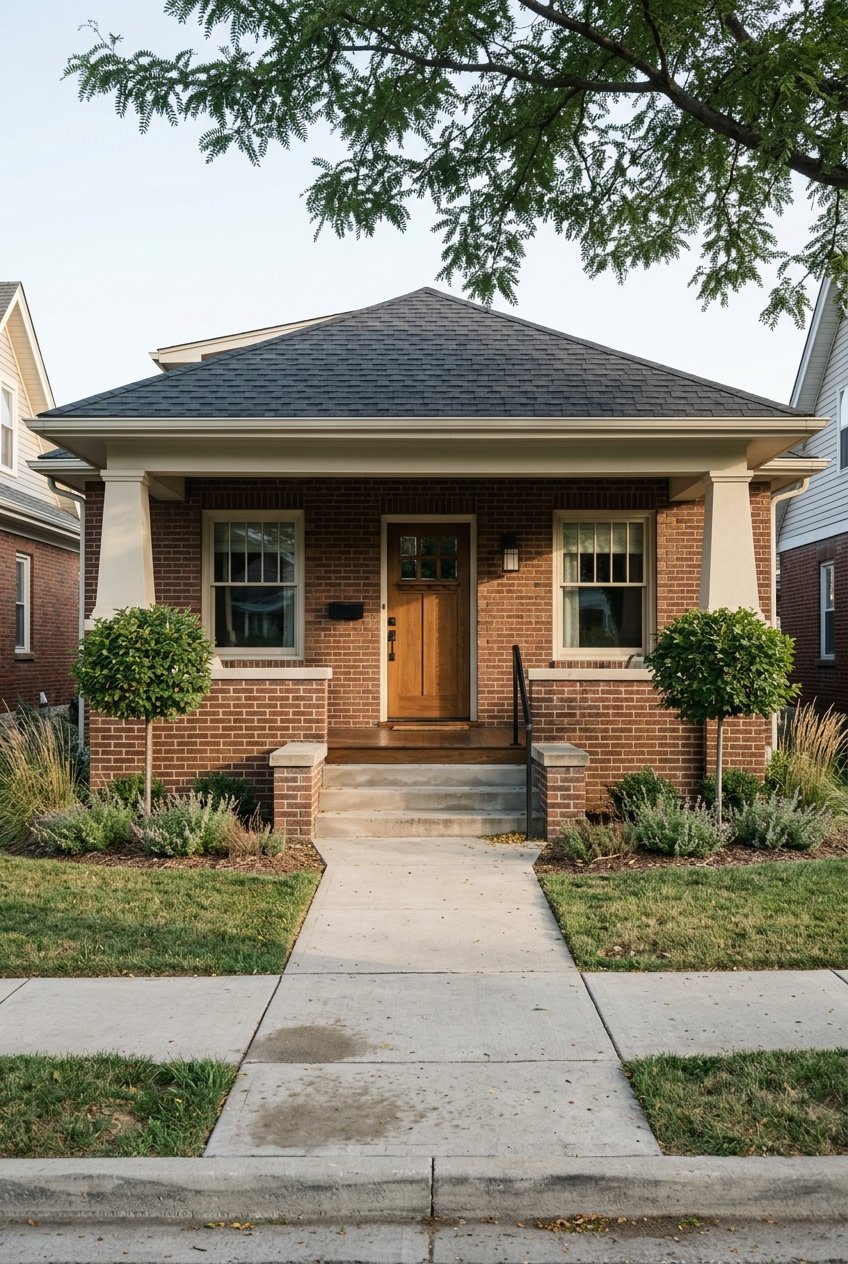
Washington Park East notes that streetcar service arrived in 1889 and that development increased after the park was laid out. Historic Denver describes the neighborhood as influenced by the City Beautiful movement and identifies styles that include Classical Revival, Craftsman, and Italianate. For buyers and sellers, that helps explain why the area often feels architecturally rich and visually varied.
A practical shorthand is that Wash Park is known for early-20th-century character homes, along with later updates and selective newer construction. You may see preserved historic houses, renovated interiors, additions, and replacement homes within the same broader area. That mix is part of what makes the neighborhood feel established but still evolving.
Historic Character and Newer Infill
The newer-build story here is not one of large subdivisions or master-planned expansion. Washington Park East describes significant development pressure in the late 1980s and 1990s, when some smaller historic homes were expanded or replaced. Denver’s guidance also notes that older neighborhoods such as West Washington Park still include historic carriage homes, and that infill in historic contexts goes through review processes.
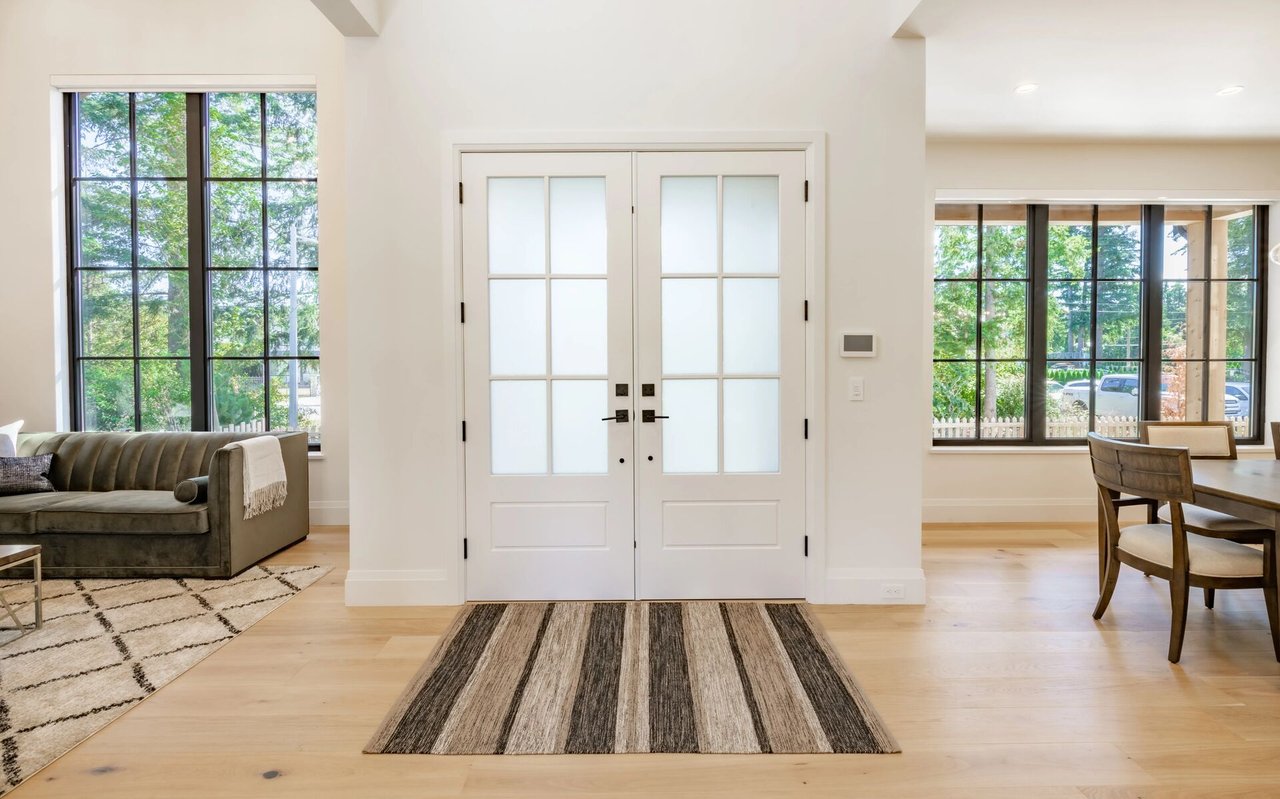
For you as a buyer or seller, this means the neighborhood often presents a layered housing landscape. Some homes reflect original architectural character. Others show careful renovation, larger additions, accessory dwelling potential, or more recent design choices shaped by Denver’s current zoning and review environment.
What Daily Life Here Really Feels Like
The strongest way to describe Washington Park is this: your routine is likely to become more neighborhood-based. Outdoor time is easy to prioritize. Coffee, dining, and local shopping are close by. Seasonal events make it easier to feel connected to what is happening around you.
That does not mean every block feels the same. Some pockets lean quieter and more residential, while others sit closer to the neighborhood’s active commercial streets. But the overall pattern stays consistent: park-centered living, walkable conveniences, and a strong sense of local identity.
For buyers, that can make Wash Park appealing if you value a neighborhood that offers both beauty and function. For sellers, it helps explain why the area stands out in Denver conversations. Lifestyle here is not built around a single attraction. It is built around repeatable, everyday experiences.
If you are trying to understand how a home fits into that larger picture, local context matters. The age of the housing stock, the relationship to the park, the nearby commercial streets, and the architectural character can all shape how a property lives and how buyers experience it. That is where neighborhood-specific guidance can make a real difference.
If you are considering a move in or around Washington Park, the Nichols & Lee Team offers thoughtful guidance rooted in Central Denver expertise, historic-home knowledge, and a clear understanding of how neighborhood lifestyle connects to real estate decisions.
FAQs
What is daily life like around Washington Park in Denver?
- Daily life around Washington Park often centers on outdoor routines, nearby coffee shops, walkable commercial streets, and seasonal community events.
What amenities does Washington Park offer in Denver?
- Washington Park includes two lakes, gardens, tree-lined paths, a bicycle and pedestrian path, jogging path, fitness course, soccer field, tennis courts, lawn bowling and croquet area, horseshoe pit, and a recreation center with an indoor pool.
What shopping and dining areas are near Washington Park?
- The main nearby commercial areas are South Gaylord and South Pearl, both known for local shopping, dining, and regular neighborhood activity.
What kinds of homes are common near Washington Park in Denver?
- Homes near Washington Park include early-20th-century character homes, historic architectural styles, renovated properties, additions, and selective newer infill or replacement homes.
What community events happen around Washington Park?
- Recurring events include the Fourth of July Celebration at the Boathouse, the annual summer yard sale, the Neighborhood History & Garden Walk, South Gaylord festivals and markets, and the Furry Scurry dog walk and run.