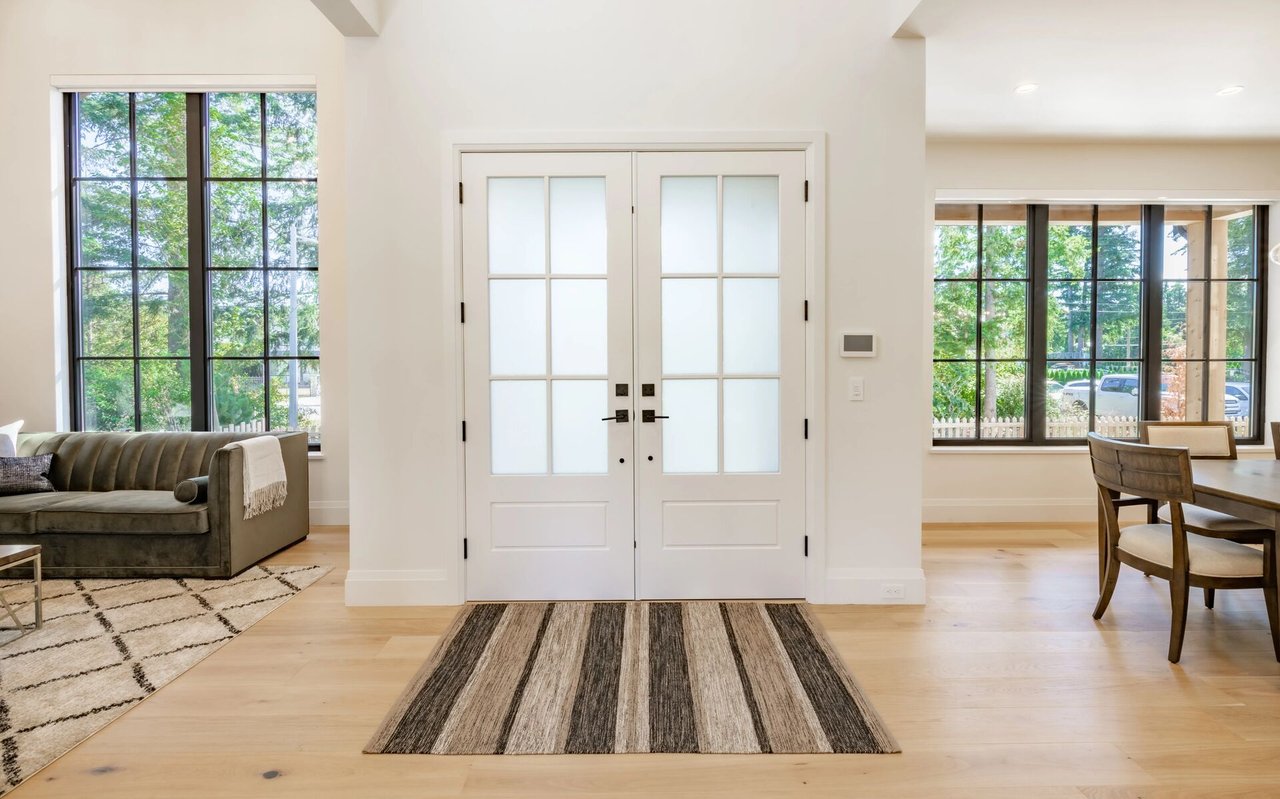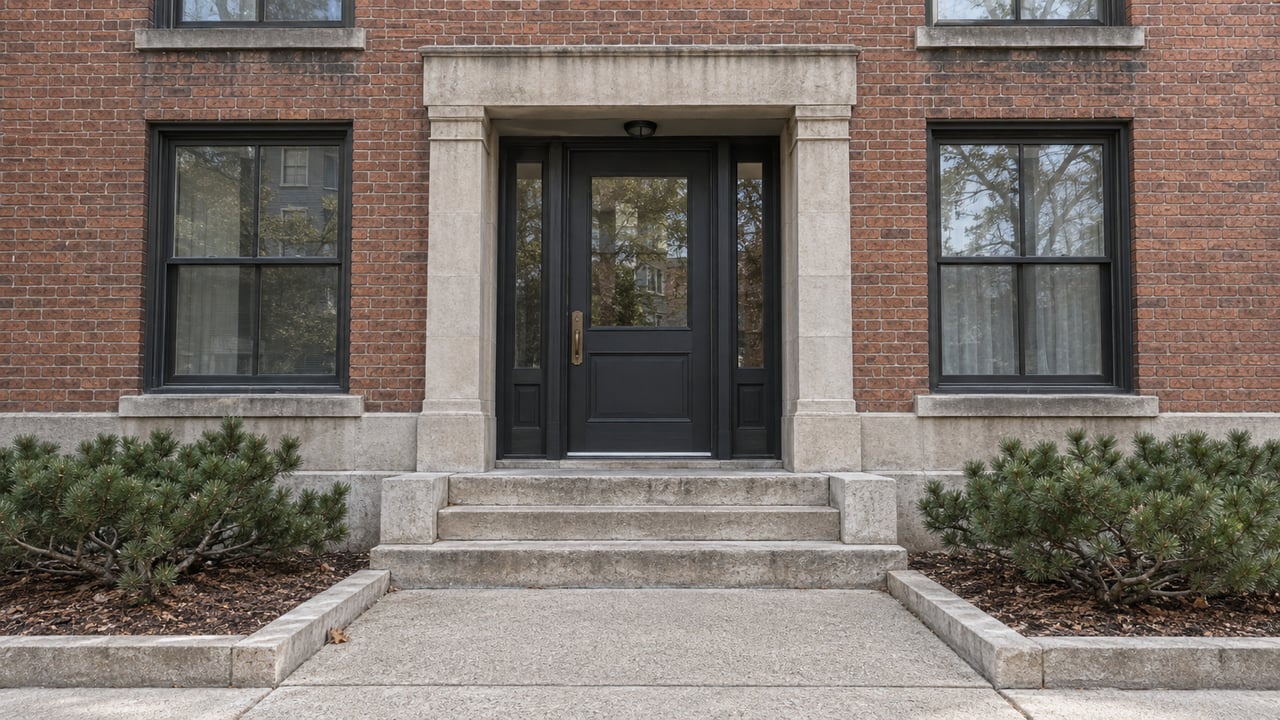
Two condos can list at the same price, one in a Capitol Hill midrise and one in a newer Cherry Creek building, with similar dues and finishes. They can still answer to different energy rules. Denver's updated Energize Denver rules took effect August 27, 2026. Under them, a condo association's obligations depend on two facts about the building: its square footage, and whether each unit has its own heating, cooling and water heater or shares central systems. Neither fact shows up in a listing price, but both affect the association's long-term costs.
The Obligation Belongs to the Building
Energize Denver applies to multifamily buildings of 5,000 square feet and up. Buildings of 25,000 square feet or more fall under the large-building rules. That threshold is measured across the whole building, so a 900-square-foot unit in a large building is covered. For a residential condominium, the rules name the association as the responsible owner. Each year, large buildings report the previous year's whole-building energy use to the city by June 1.
The deadlines have moved once already. In March 2025, Mile High CRE described a revision that replaced the original 2025 interim and 2030 final dates with 2028 and 2032. The city now lists 2028 as the interim target year and 2032 as the final target year for most large buildings, and it tells owners to look up the years assigned to their specific building. City Council approved the ordinance amendments on May 18, 2026. The city's climate office then adopted the implementing rules, effective August 27.
So a condo buyer is also buying a share of a building-level obligation with a deadline. The 2026 rules set different versions of that obligation depending on how a building was built.
Three Kinds of Condo Building
The city created a Residential Condominium Alternate Compliance Option. It offers more time to any condo building of 25,000 square feet or more. Only some buildings also qualify for reduced requirements.
| Building type | Eligible for reduced requirements? | What applies |
|---|---|---|
| 25,000 to 49,999 sq. ft., current on annual reporting | Yes | A choice between the two reduced pathways described below |
| 50,000+ sq. ft., each unit has its own HVAC and its own water heater, current on annual reporting | Yes | A choice between the two reduced pathways described below |
| 50,000+ sq. ft. with central HVAC and/or central water heating | No | Keeps its existing efficiency targets, with access to other incentives and adjustments |
The city says it kept the third group on its original targets so those buildings continue to count as compliant with the State of Colorado's building performance program. In practice, a building's mechanical design largely determines how much flexibility its association gets.
According to Energize Denver, buildings that qualify for reduced requirements choose between two pathways. The Prescriptive Pathway is a one-time project. The association works with an auditor or contractor to cut energy use 15% from the building's baseline year and must finish by the final target deadline, which is 2032 for most buildings. This pathway does not allow replacing fossil-fuel equipment with the same type of equipment, even if the new unit is more efficient. The Target Adjustment pathway resets the building's final target to 15% below baseline. A third party must verify that the building has reached it, and the building must stay at that level permanently. Under either pathway, the association keeps filing annual reports.
Why This Matters for Two Units at the Same Price
Picture a large condo building where one boiler heats every unit. Its association is held to the original targets. A building of the same size where every unit has its own furnace and water heater can apply for a 15% path. Two units with the same list price and similar dues can therefore depend on associations with very different requirements to meet.
That still doesn't tell you how much work a particular building needs. Many buildings are already compliant. According to figures Denver's climate office released for the Denver Post's October 2, 2026 report, 47% of large buildings already meet their 2032 targets and 69% meet the standards required of them in 2028. The building type tells you which rules apply. A building's own record tells you how far it has to go.
To see what central-system upgrades can cost, look at the rental buildings named in the lawsuit against the city and state rules. Property manager Cornerstone estimated $540,000 in new boilers and more than $1 million in total upgrades at the Belmont Buckingham in Capitol Hill, and $440,000 at the 1300 Apartments in Congress Park. These are rental properties, not condo associations. The estimates were filed by the industry groups bringing the suit, and they cover city and state requirements together. They show the scale of a central-plant replacement. They are not a forecast for any condo building.
When a Building Falls Behind
The enforcement process is set out in steps, and the steps tell you what to look for in association records:
- Notice of Violation. The city sends a formal notice when a building misses a report, misses a performance target, or skips a required upgrade. The notice is not a fine.
- A 90-day cure period. The owner can come into compliance or apply for a timeline extension, an alternate compliance option, or a corrective action plan. A complete application pauses the 90-day clock while the city reviews it.
- Administrative Citation. If the cure period ends without a fix or an approved plan, the city issues a citation that sets the penalty. The owner has 30 days to appeal.
- Payment or reinvestment. Penalties for missed performance targets are due within 180 days. An owner can apply to put 40% to 80% of the penalty into efficiency upgrades instead. The earlier the owner submits a letter of intent, the larger the share that can be reinvested.
- Lien. If penalties are still unpaid, or a reinvestment plan has gone into default, 180 days after the citation, a perpetual lien is attached to the building's title until everything is paid. Buildings with an approved reinvestment plan can take longer than 180 days to finish the work.
The city's enforcement page lists these deadlines but not penalty rates. Ask the association what amounts would apply to its building.
The condo extension also lists qualifying reasons that relate directly to association finances: a shortfall in capital reserves, and the time needed to raise money through dues or a special assessment. The rules define a capital reserve study as a physical and financial assessment of common-area assets and reserve funding, usually projected 20 to 30 years out. These provisions show the city expects some associations to fund compliance through dues or assessments. They do not mean any particular association has raised dues or levied an assessment. Our research did not find a named Central Denver condo association with a reported assessment tied to Energize Denver.
Checking a Building Before You Make an Offer
Start with the public tools. Denver's Performance Lookup Tool at lookup.energizedenver.org searches large buildings by address or Building ID. The Energize Denver map labels each building "In Compliance," "Not Submitted," or "Exempt." Buildings under 25,000 square feet have a separate lookup tool.
Then ask the association or its manager:
- Is the building 25,000 square feet or larger, and is it above or below 50,000?
- Does each unit have its own heating, cooling and water heater, or are any of these shared?
- What interim and final target years has the city assigned to the building?
- Is the building current on its annual reporting? Reduced requirements depend on it.
- Has the association applied for the Residential Condominium option, and if so, which pathway?
- Has the building received a Notice of Violation, or is it on an approved extension or corrective action plan?
- What does the latest reserve study say about the boilers, chillers, water heating and building controls?
- Have dues increases or a special assessment been discussed in recent board minutes?
These questions are about the building's condition and finances, so they belong in normal due diligence alongside the association documents. For anything about your own legal or tax position, ask your attorney or tax advisor.
The Lawsuit Is Still Open
Several industry groups are challenging the rules in federal court in Colorado Apartment Association et al. v. Ryan. The plaintiffs include the Colorado Apartment Association, the Apartment Association of Metro Denver, the Colorado Hotel and Lodging Association and the Commercial Real Estate Development Association. On Wednesday, September 30, U.S. District Judge Regina Rodriguez adopted a magistrate judge's recommendation. She dismissed the claims about consumer appliance rules but allowed the challenge to the building-wide standards to continue. The Denver Business Journal reported on September 18 that the federal government had intervened, arguing the rules conflict with federal authority.
None of the coverage we reviewed describes a pause in the rules. Until a court rules otherwise, buildings are measured against the requirements that took effect August 27.
Quick Answers
Does selling one condo unit trigger an Energize Denver disclosure? The city's large-building guidance has a section titled "Disclosure Before and Upon Sale." We could not confirm whether it applies to individual unit sales. The rules do require an owner who sells a building to transfer its energy reporting account and data to the new owner. Ask the association how it handles requests from buyers.
Are smaller condo buildings exempt? No. Denver's Energize Denver guidance says multifamily buildings from 5,000 to 24,999 square feet fall under separate small-building rules.
Does Energize Denver require replacing working equipment early? The city describes the policy as an energy-efficiency requirement with flexible compliance options. It says the policy does not require electrifying buildings or replacing HVAC equipment before the end of its useful life.
If you are weighing a condo in Capitol Hill, Cherry Creek or elsewhere in Central Denver, the Nichols & Lee Team can help you look up the building's Energize Denver record, prepare questions for the association, and read its reserve study during your review period. Schedule a Free Consultation and bring the addresses you are considering.
This article is general information, not legal, tax or financial advice. Consult a qualified professional about your situation.