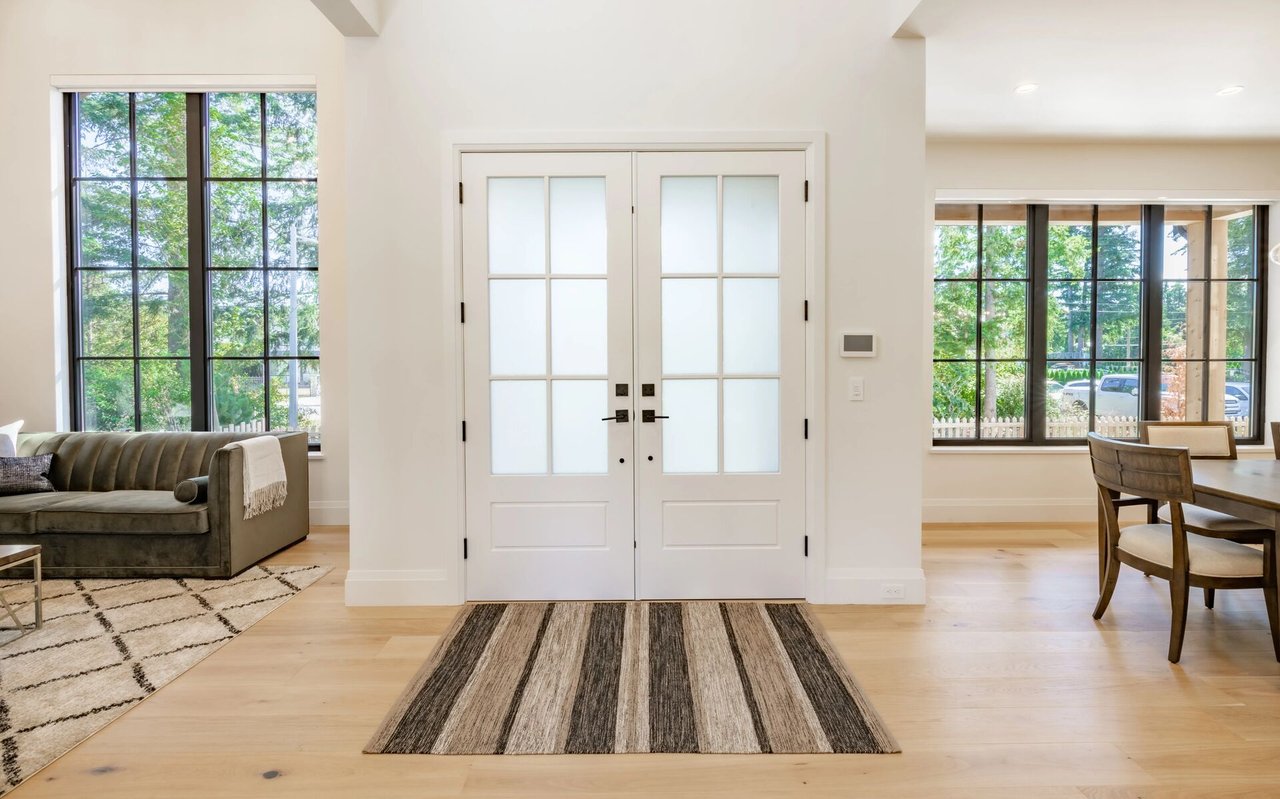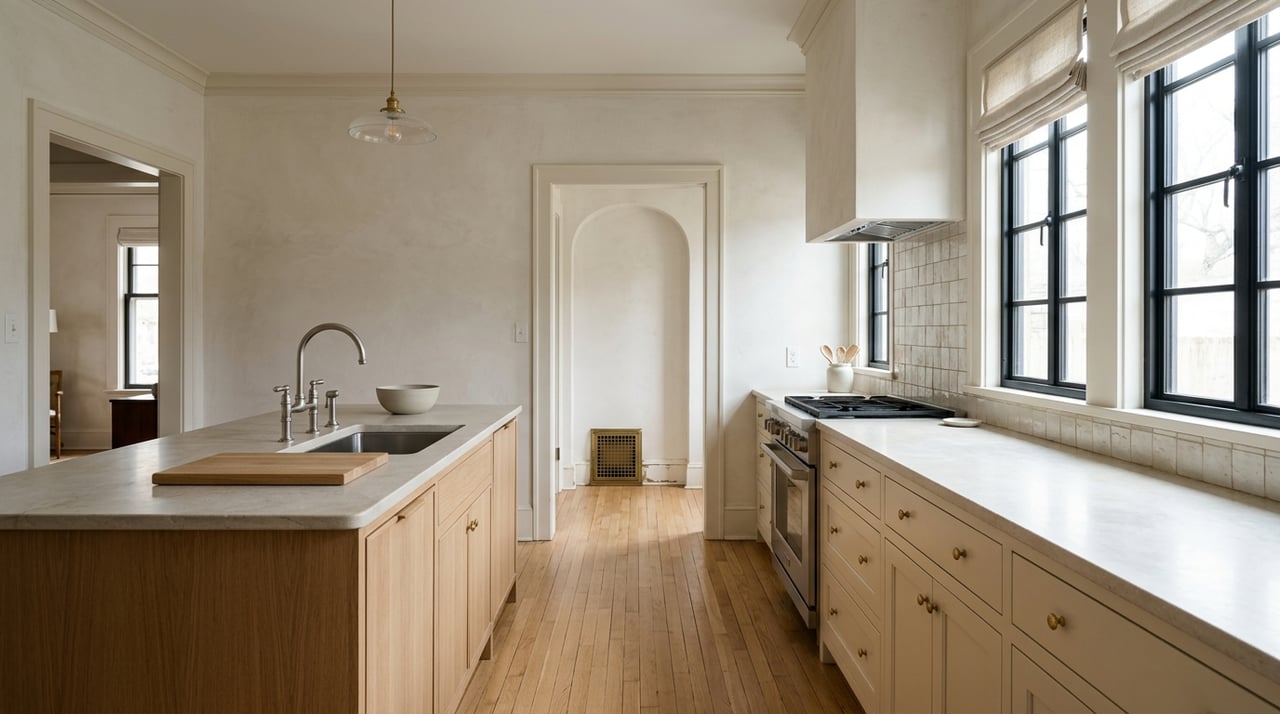
If you are thinking about selling in Hilltop or Crestmoor, one question tends to come up fast: should you renovate first or sell the home as-is? It is a big decision, especially when your house may have great bones, architectural character, or a lot that buyers already value. The right answer usually comes down to cost, timing, and whether your updates will truly match what buyers in these neighborhoods want. Let’s dive in.
Why this decision feels bigger here
In Hilltop and Crestmoor, buyers are not only reacting to square footage or finishes. They are also reacting to the setting, the streetscape, and how a home fits into the broader neighborhood feel.
Hilltop is known for established homes, tree-lined streets, parks, and mountain views within boundaries generally described as Colorado Boulevard, Holly Street, 8th Avenue, and Alameda Avenue. Crestmoor is also defined by large lots, mature trees, and single-family homes, and in Crestmoor Filing One, exterior changes and additions require design review. That means pre-sale renovation choices can carry more weight here than in a more uniform or less design-conscious area.
What buyers often reward
Today’s buyers are not all looking for a major project. Research shows remodeled homes sold for 3.7% more than expected, while fixer-uppers sold for 7.3% less than similar homes. Remodeled homes also drew more daily saves and shares, which points to stronger early interest.
At the same time, many buyers are planning to stay put for years. Recent buyer-profile data shows the typical buyer expects to stay 15 years, and 28% describe the next home as a forever home. That matters in Hilltop and Crestmoor, where buyers may pay attention to long-term livability and future flexibility, not just surface-level style.
Features that tend to stand out
Buyer-preference research points to a few priorities that come up again and again:
- Open flow between kitchen, dining, and family spaces
- Main-level functionality, such as a full bath on the main floor
- A first-floor laundry room
- A two-car garage
- Good storage, including pantry space and practical kitchen layout
- Home office potential
- Outdoor living features like patios, porches, decks, and exterior lighting
- Energy-efficient features such as efficient lighting and ENERGY STAR windows or appliances
If your home already offers some of these features, you may not need a major renovation. You may only need to present those strengths more clearly.
When renovating makes sense
For most sellers in Hilltop and Crestmoor, the strongest case for pre-listing work is selective improvement, not a full overhaul. The best projects are usually the ones buyers notice right away and the ones that improve day-to-day livability without overcommitting your budget.
Staging, decluttering, deep cleaning, and curb appeal improvements are often the safest place to start. According to NAR, staged homes were more likely to receive a 1% to 10% value bump, and 83% of buyers’ agents said staging made it easier for buyers to imagine the property as their future home.
Smart updates with lower risk
In these neighborhoods, lower-risk updates often include:
- Interior paint in clean, neutral tones
- Updated lighting
- Landscape cleanup and front-entry refreshes
- Deep cleaning and decluttering
- Professional staging
- Selective kitchen improvements
- Selective bathroom improvements
This approach aligns with broader remodeling data. A minor midrange kitchen remodel recouped 96% of cost in the 2024 Cost vs. Value report, while a major upscale kitchen remodel recouped only 38%. A midrange bathroom remodel recouped 74%, while an upscale bath remodel recouped 45%.
Exterior work can punch above its weight
Exterior improvements often show especially strong returns. In the same report, garage door replacement recouped 194% of cost, steel entry door replacement recouped 188%, and manufactured stone veneer recouped 153%.
That does not mean every seller should start replacing doors or reworking the exterior. It does mean first impressions matter, and in Hilltop and Crestmoor, curb appeal is part of the value story. Mature landscaping, a gracious front entry, and a well-kept facade can shape buyer perception before they even step inside.
When selling as-is is the better move
Selling as-is can be the smarter path when the renovation is expensive, deeply personal, or unlikely to match the next buyer’s vision. This is especially true if the home’s value is already tied to its lot, architecture, or long-term potential.
Large structural projects often have the weakest resale math. The 2024 Cost vs. Value report found a primary suite addition recouped only about 24% to 36%, bathroom additions recouped about 33% to 35%, and a major midrange kitchen remodel recouped about 50%.
Signs you may want to skip the renovation
Selling as-is may make more sense if:
- The home needs structural or layout changes, not cosmetic polish
- The current floor plan is awkward and would require major reconfiguration
- The updates you want are highly taste-specific
- You are concerned about over-improving relative to nearby homes
- The property’s lot, bones, or architectural character are the main draw
- The next owner is likely to redesign the space anyway
NAR guidance on dated kitchens supports this thinking. If the layout is the problem, cosmetic updates alone may not solve it. In some cases, it is better to help buyers see the potential for a future overhaul than to spend heavily on a renovation they may undo.
Crestmoor owners should weigh design review early
If your home is in Crestmoor Filing One, renovation decisions need extra care. Exterior changes and additions require Architectural Control Committee review, and the guidelines call for compatibility with neighborhood character, placement of additions usually to the side or rear, and protection of mature trees.
That does not mean updating is off the table. It does mean timing, approvals, and design fit can affect whether a project is worth doing before you list. If a buyer is likely to want their own architect or their own long-term plan, passing that opportunity to the next owner may be the better choice.
A practical way to decide
If you are stuck between renovating and selling as-is, it helps to sort your options into three buckets: presentation, moderate updates, and major projects.
| Option | Best for | Likely upside | Main risk |
|---|---|---|---|
| Presentation only | Homes with solid layout, character, and decent condition | Better first impression and buyer engagement | May not solve dated finishes |
| Moderate updates | Homes that need visible but contained improvements | Stronger appeal without excessive spend | Can drift into overspending if scope grows |
| Sell as-is | Homes needing structural, layout, or approval-heavy work | Saves time and avoids low-return projects | Smaller buyer pool or lower offers |
Start with these questions
Before you spend money, ask yourself:
- Will this change improve the first impression?
- Will buyers notice and value it right away?
- Is this a modest update or a major project in disguise?
- Will the work fit the home and the neighborhood?
- Is the next owner likely to keep it, or replace it anyway?
- Does the timeline work for your move?
In Hilltop and Crestmoor, those questions matter because buyers often notice both livability and design context. A polished, well-presented home with honest potential can outperform a costly renovation that misses the mark.
The most common best answer
For many sellers, the sweet spot is simple: do the visible, practical work and skip the deeply expensive or highly personal projects. That usually means cleaning, staging, paint, lighting, landscape touch-ups, and possibly a modest kitchen or bath refresh.
If the home needs a major rework, the as-is route can be just as strategic. In neighborhoods where lot quality, mature trees, architecture, and future vision carry real weight, buyers may be willing to take on the project themselves.
A thoughtful strategy matters more than a bigger budget. In Hilltop and Crestmoor, the goal is not to do the most work. It is to do the right work for your home, your timeline, and the buyers most likely to appreciate it.
If you want a clear, design-aware opinion on what to update and what to leave alone, the Nichols & Lee Team can help you evaluate your home through the lens of Central Denver buyer expectations, neighborhood context, and smart pre-listing strategy.
FAQs
Should you renovate a dated kitchen before selling a Hilltop home?
- Maybe, but a modest kitchen refresh often makes more financial sense than a luxury remodel. If the main issue is layout, selling as-is may be the better choice.
Does selling as-is work for Crestmoor homes with large lots?
- Yes, especially when the lot, architectural character, or future expansion potential are key selling points and the next owner may want their own plan.
What pre-listing updates usually matter most in Hilltop and Crestmoor?
- High-visibility updates such as paint, lighting, deep cleaning, decluttering, staging, landscape cleanup, and front-entry improvements usually carry the lowest risk.
Should Crestmoor sellers worry about renovation approvals before listing?
- Yes. In Crestmoor Filing One, exterior changes and additions require review, so approvals, timing, and compatibility should be considered before starting a major project.
Do remodeled homes usually attract more buyer attention than fixer-uppers?
- Yes. Research cited here found remodeled homes sold for 3.7% more than expected and drew more saves and shares, while fixer-uppers sold for 7.3% less than similar homes.