If you are thinking about buying in Denver’s 7th Avenue Historic District, you are not just buying a home. You are buying into one of Denver’s most distinctive historic settings, where architecture, parkway design, and city review rules all shape day-to-day ownership. That can feel exciting and a little intimidating, especially if you love older homes but want to make smart, informed decisions. This guide will help you understand what matters most before you buy, from historic district rules to renovation planning and practical due diligence. Let’s dive in.
Why this district stands out
Denver officially designates this area as the East Seventh Avenue Historic District. It was designated in 1993, and the city recognizes its period of significance through 1943. Denver Public Library describes it as the city’s largest local historic district.
The district generally runs from Logan Street to Colorado Boulevard and from East 6th to East 8th Avenues. In the narrower eastern section, from Steele to Harrison, the district is focused on East 7th Avenue Parkway and the homes that border it. That layout matters because the parkway itself is central to the neighborhood’s identity.
This area developed during the City Beautiful Movement, and that influence still shows up today. The connected parkway system, mature trees, and broad landscaped streets are part of what gives the district its character. East 7th Avenue Parkway, Williams Street Parkway, and connections to Cheesman Park, City Park, and Washington Park all help define the setting.
What you may see in the housing stock
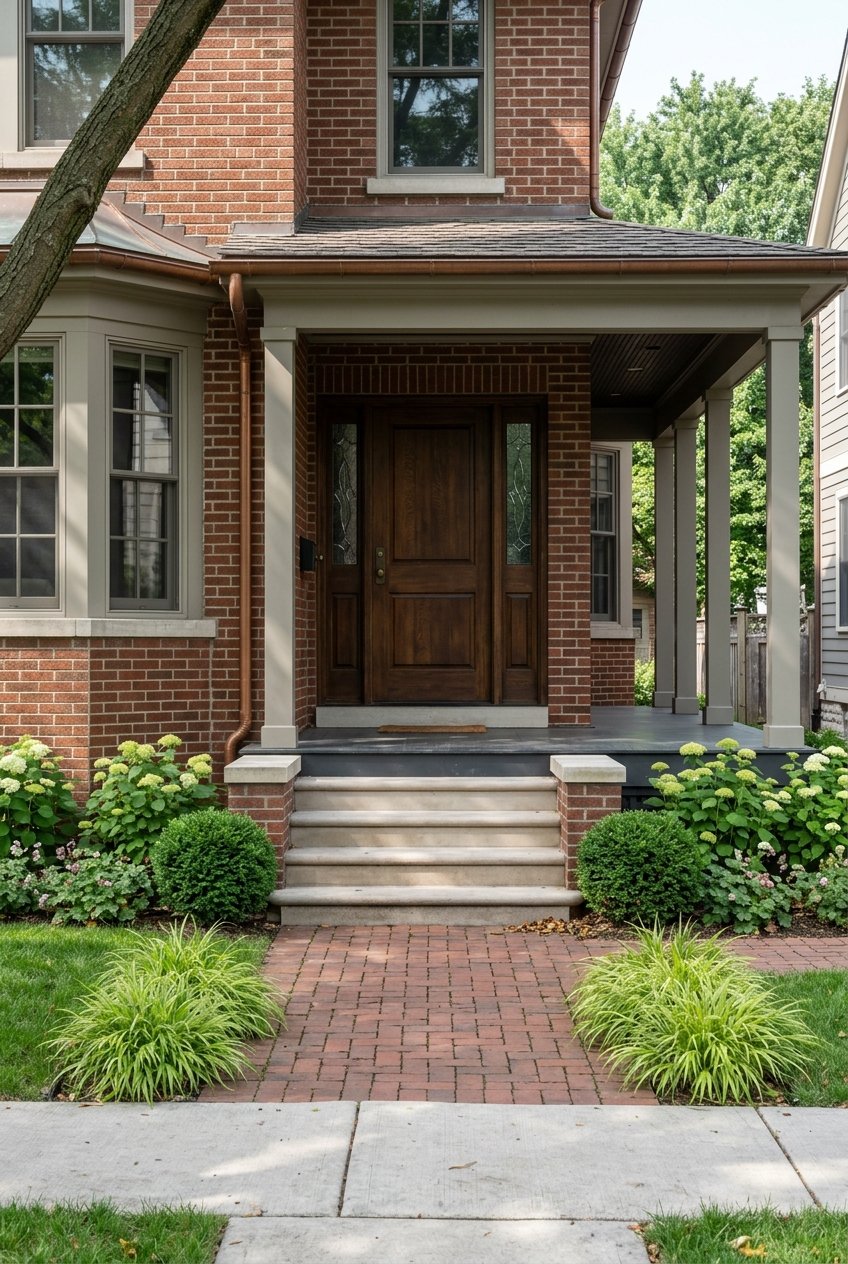
One of the district’s biggest draws is architectural variety. You may find Denver Square variations, Georgian Revival, French Mediterranean Revival, English Tudor, Mediterranean Revival, Neoclassical, and eclectic homes.
The housing mix is also broader than some buyers expect. Along with larger mansions, the district includes more modest homes, duplexes, and terraces. That variety can create very different ownership experiences from one block or property type to the next.
What historic designation means for buyers
A lot of buyers assume “historic district” is mostly a marketing label. In this case, it is not. The East Seventh Avenue Historic District is a local historic designation, and properties inside the district boundary are subject to Denver’s design review process for exterior work.
That review does not apply only to the most famous homes or to houses that look especially old. According to Denver, contributing structures, non-contributing structures, individual landmarks, and even vacant lots inside the district boundary may be subject to review. If you are buying here, it is important to understand that the rules apply to the parcel, not just the home’s style or age.
When design review usually comes into play
For most owners, the trigger is a permit. If your project requires a building permit, zoning permit, curb cut permit, or encroachment permit, Denver says it is typically reviewed under the historic district process.
That can include:
- Window and door replacements
- Reroofing
- Additions
- Fences
- Retaining walls
- Garages
- Solar panels
- Signage
- Zone lot amendments
- Curb cuts
- Demolition
Many smaller projects are handled administratively. Larger or more visible projects may go before the Landmark Preservation Commission. Denver notes that roughly 70 percent of landmark design review projects are handled administratively, which can help set expectations for timing.
What historic review does not usually cover
Historic ownership does not mean every detail of your home is regulated. Denver says designated properties are treated as is, and interiors, general maintenance, and exterior paint colors are generally not subject to landmark review unless another permit or tax-credit process is involved.
That distinction matters for buyers who plan to update kitchens, bathrooms, or interior layouts. In many cases, interior remodels and work that do not require a permit are generally not subject to landmark review. Still, it is wise to confirm the scope of any planned work before closing.
Why the parkway can add another layer
If the property is on or near a designated parkway, there may be an additional layer of review beyond landmark preservation. Denver’s parkway guidelines treat East 7th Avenue Parkway as a designated tree-lined parkway, and the tree lawn is considered a character-defining feature.
For you as a buyer, that can affect projects in the public right-of-way or parkway setback. Tree-related work may also require coordination with Denver Parks and Recreation or the City Forester. In practical terms, that means your future plans for landscaping, sidewalks, curb cuts, or certain exterior improvements may involve more review than you would expect in a non-historic area.
Renovation plans to think through early
If you are drawn to the district because you love historic homes but also want to personalize one, your renovation strategy matters. Denver’s guidelines generally favor changes that preserve the original structure’s visual importance and keep additions secondary.
For additions, the city says approvals are usually easier when the addition is subordinate to the original building, placed at the rear when possible, and designed to preserve side and rear open space. A rear addition connected to the original structure is generally preferred over a front-facing or flush addition that changes the historic massing.
Rooftop additions also deserve caution. Denver says they should remain minimally visible from public vantage points. If you are considering a pop-top or major second-story work, build in extra review time and make sure the project is realistic for the specific property.
Windows and doors need extra attention
Windows and doors are often character-defining features in historic homes. Denver recommends preserving original windows and doors when possible and matching the size and configuration if replacements are needed.
If energy efficiency is one of your goals, that does not automatically put you at odds with historic preservation. Denver encourages options like storm windows that can improve performance while preserving original sash. That can be a useful middle ground if you want comfort and efficiency without losing architectural character.
Roofs and solar require careful placement
Roof changes may seem straightforward, but they can be sensitive in a historic district. Denver discourages front-facing dormers or skylights that overwhelm the original roof form.
Solar panels may be possible, but placement matters. The city’s guidelines say panels should avoid distinctive roof features and be set back from ridges and eaves as required by the guidelines. If solar is important to you, it is smart to review roof orientation and visibility before you buy.
Masonry and exterior materials can affect costs
Older brick, stone, and stucco homes often come with maintenance needs that are more specialized than buyers first expect. Denver recommends preserving masonry and repointing it with mortar that matches the original in strength, composition, color, and texture.
If there is visible deterioration, such as cracked masonry or eroded stone, the city’s guidance suggests involving the right specialist early. That may include a structural engineer for structural cracking or a masonry specialist for material deterioration. This is one area where due diligence can protect you from underestimating future costs.
Fences, retaining walls, and garages are not small details
Buyers often focus on the house itself and overlook site features. In this district, front-yard fences and retaining walls are also part of the historic picture.
Denver generally limits front-yard fences to 48 inches or less, discourages opaque or vinyl fencing, and advises against new chain-link front fences. Retaining walls are expected to follow historic patterns and use compatible materials such as brick or natural stone when appropriate.
Garages are another common review item. Denver says garages in historic districts require a certificate of appropriateness, and if the property is on a parkway, an encroachment into the parkway setback may trigger a separate exception request. If a future garage project is part of your plan, you will want to investigate that before making an offer.
Due diligence before you buy
In a neighborhood like this, due diligence should go beyond the usual inspection and appraisal mindset. You will want to confirm not only the physical condition of the property, but also how city rules may affect your plans.
A strong pre-closing checklist includes:
- Verifying the exact address against Denver’s historic district resources
- Confirming whether the parcel is also affected by parkway setback rules
- Reviewing prior certificates of appropriateness
- Checking permit history
- Looking for past roof, window, or exterior approvals
- Reviewing surveys and site documents
- Gathering photos of current exterior conditions
That history can tell you a lot. It may show whether past work was properly approved, whether a current feature is likely to become an issue later, and whether your own renovation goals align with what has already been done on the property.
Questions to ask before making an offer
Before you move forward, try to answer a few practical questions with confidence. These questions can help you avoid surprises after closing.
Is the home contributing or non-contributing?
This is still useful to know, but it does not remove review requirements. Denver states that all properties inside the historic district boundary are subject to design review for exterior work, including non-contributing structures.
Do your plans need permits?
If the answer is yes, expect some level of review. Even projects that seem routine, like new windows, reroofing, or a new garage, may need approval before permits are issued.
Is the property along the parkway?
If so, look closely at trees, setbacks, and any work near the public edge of the property. Parkway-related requirements can affect scope, timing, and maintenance responsibilities.
Does the home show signs of deferred exterior maintenance?
Historic homes can be wonderful long-term investments in quality and character, but repair methods may need to be more thoughtful. If you see masonry cracks, aging windows, roof concerns, or site drainage issues, early specialist input can be valuable.
Buying with the right expectations
The best buyers in Denver’s 7th Avenue Historic District usually enter the process with clear eyes. They appreciate that ownership here is about more than square footage or finishes. It is also about stewardship, architectural character, and understanding how a home fits into a larger historic setting.
That does not mean you cannot make a house your own. It means the path tends to work best when you understand the rules, evaluate renovation plans early, and buy with a realistic view of maintenance and approvals. For many buyers, that tradeoff is exactly what makes the district special.
If you are considering a purchase in the East Seventh Avenue Historic District, working with a team that understands historic homes, design review, and Central Denver block by block can make the process much more straightforward. The Nichols & Lee Team brings deep experience with Denver’s historic neighborhoods and can help you evaluate both the opportunity and the practical details with confidence.
FAQs
What is Denver’s East Seventh Avenue Historic District?
- It is a locally designated historic district in Denver, recognized in 1993, generally spanning from Logan Street to Colorado Boulevard and from East 6th to East 8th Avenues, with a narrower section along East 7th Avenue Parkway from Steele to Harrison.
Do homes in Denver’s 7th Avenue Historic District require design review?
- Yes. Denver says properties inside the historic district boundary are subject to design review for exterior work, including contributing and non-contributing structures.
Can you remodel the interior of a home in Denver’s 7th Avenue Historic District?
- Usually yes. Denver states that interior remodels and work that do not require a permit are generally not subject to landmark review.
Can you replace windows in Denver’s 7th Avenue Historic District?
- Possibly, but window replacement is commonly reviewed because windows are often character-defining features. Denver recommends preserving original windows when possible or matching the original size and configuration if replacement is needed.
Are additions allowed in Denver’s 7th Avenue Historic District?
- Yes, but they are commonly reviewed. Denver’s guidelines generally favor additions that are subordinate to the original home, placed at the rear when possible, and minimally visible from public vantage points.
Does living on East 7th Avenue Parkway affect property improvements?
- It can. Properties along the parkway may face additional review for work in the public right-of-way or parkway setback, and tree-related work may require coordination with Denver Parks and Recreation or the City Forester.
Do non-contributing homes in Denver’s 7th Avenue Historic District avoid review?
- No. Denver states that all properties within the district boundary are subject to design review for exterior work, even if the structure is non-contributing.
What should buyers review before buying in Denver’s 7th Avenue Historic District?
- Buyers should verify the property’s historic district and parkway status, review permit history and prior approvals, check for past roof or window approvals, and assess current exterior conditions before closing.